

A Guide to Visiting Great Point Lighthouse on Nantucket
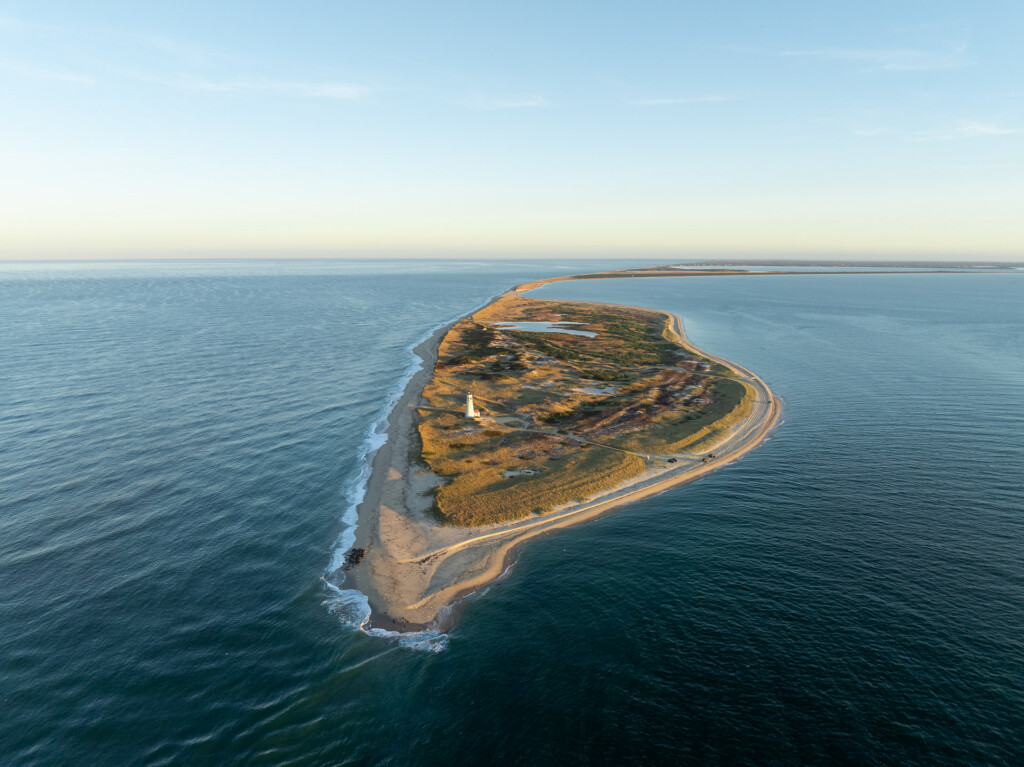
Great Point Lighthouse is one of those Nantucket destinations where getting there is just as memorable as the destination itself. Located at the northern tip of the island beyond Wauwinet, the lighthouse sits at the end of miles of undeveloped coastline within the Coskata-Coatue Wildlife Refuge and Nantucket National Wildlife Refuge.
Reaching Great Point takes a little more preparation than visiting Nantucket’s other lighthouses. The final portion of the journey is entirely over sand, which means visitors need the right vehicle, permit and equipment before heading out.
For those who make the trip, the reward is a completely different side of Nantucket: miles of open beach, rolling dunes, fishermen along the shoreline, seals offshore and, eventually, one of the island’s most recognizable landmarks.

Where Is Great Point Lighthouse?
Great Point Lighthouse sits at the northernmost end of Nantucket on the Coskata-Coatue peninsula.
The surrounding Coskata-Coatue Wildlife Refuge stretches across more than 1,100 acres of beaches, dunes, maritime woodland and coastal habitat, with miles of over-sand vehicle routes and walking trails.
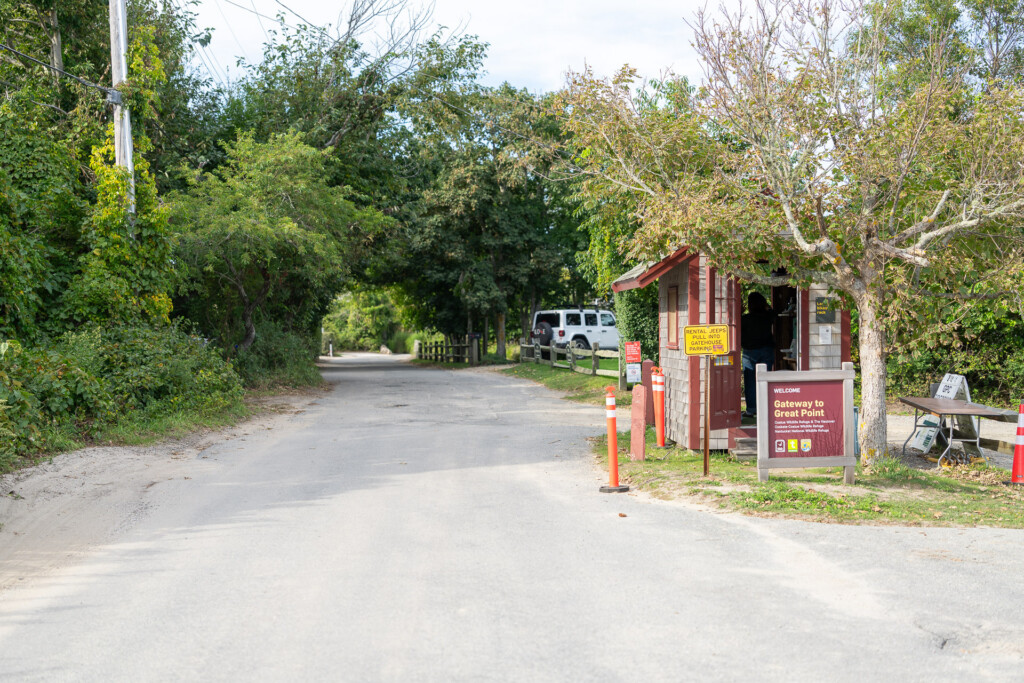
From Town, head east toward Polpis Road and continue toward Wauwinet. The entrance to the refuge is located at the Wauwinet Gatehouse at 111 Wauwinet Road.
This is where the paved portion of the journey ends and the Great Point adventure begins.
Before You Drive Onto the Beach
Great Point requires a separate Coskata-Coatue over-sand vehicle permit through The Trustees. A standard Town of Nantucket beach driving permit does not provide access to the refuge.
Visitors should confirm current permit requirements before heading out, especially if they are using a rental vehicle.
The refuge is designed for true four-wheel-drive vehicles, rather than standard all-wheel-drive vehicles, because of the deep and constantly changing sand conditions.
If you are renting a Jeep or another 4×4 specifically for the trip, ask the rental company whether the vehicle is properly permitted for Coskata-Coatue and whether an additional day-use pass is required.
You can find current permit and access information through The Trustees and the Town of Nantucket.
Air Down Your Tires
Before entering the refuge, stop near the Wauwinet Gatehouse and reduce your tire pressure.
For driving on Great Point, tires should generally be lowered to approximately 12–15 PSI. Lowering the pressure creates a wider footprint and helps the vehicle move across soft sand rather than digging into it.
An air station is available near the entrance so you can reinflate your tires after leaving the refuge.
It’s an important part of the trip and not something to skip, even if the sand initially appears firm.
The Drive to Great Point
Once you pass the gate, the road disappears and the landscape changes quickly.
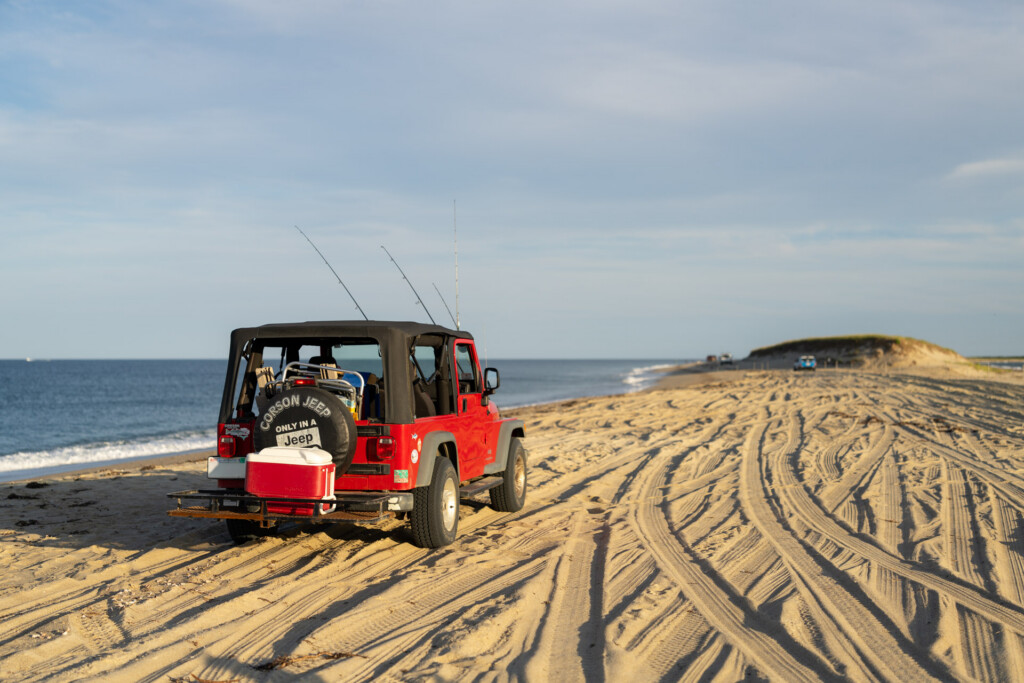
Follow the established vehicle routes and existing tire tracks as you make your way north. Dunes rise alongside the route while the Atlantic stretches along the shoreline.
The drive itself is part of what makes a Great Point trip so memorable.
Depending on the day and season, you may pass fishermen set up along the water, families spending the afternoon on the beach and other four-wheel-drive vehicles making their way toward the lighthouse.
There’s no reason to rush. Stop along the way, take in the scenery and enjoy how different this part of the island feels from Town and Nantucket’s more populated beaches.
The trip to the northern end of the peninsula involves several miles of driving over sand, so allow plenty of time.
Fishing Along Great Point
Great Point has long been a favorite location for surfcasting. As you drive north, it’s common to see fishermen spread along the water with rods set up beside their vehicles. Depending on the season, Nantucket’s surrounding waters attract striped bass, bluefish, bonito, false albacore and other species. If fishing is part of your Great Point trip, make sure you have the appropriate Massachusetts saltwater fishing permit and check current regulations before heading out. Even if you aren’t fishing, the rows of trucks, rods and fishermen along the shoreline are part of the classic Great Point experience.

Arriving at Great Point Lighthouse
After several miles of driving, you’ll eventually begin to see the lighthouse rising above the dunes. That first view is one of the best parts of the trip. As you continue north, the lighthouse gradually becomes more prominent until you reach the end of the peninsula and one of the most remote landscapes on Nantucket. Great Point is where the open Atlantic and Nantucket Sound meet, creating an expansive stretch of coastline unlike almost anywhere else on the island.
A Little History of Great Point Lighthouse
Great Point Lighthouse has marked the northern end of Nantucket for more than two centuries, although the lighthouse standing there today is not the original.
The first lighthouse at Great Point was constructed in 1784. Built of wood, it helped guide vessels through the waters surrounding Nantucket until it was destroyed by fire in 1816.
A new stone lighthouse was constructed soon afterward. That tower stood at Great Point for more than 160 years and became one of Nantucket’s familiar maritime landmarks.
Then, on March 29, 1984, a powerful storm caused the historic lighthouse to collapse.
The lighthouse visitors see today was completed in 1986 and was designed as a replica of the earlier stone tower.
Today, Great Point Light remains an active navigational aid, standing at the northern tip of Nantucket and continuing a maritime tradition that dates back to the late 18th century.

Wildlife at Great Point
Great Point’s protected beaches, dunes, and coastal habitat make it an important area for wildlife.
Gray and harbor seals are often seen swimming offshore or resting along the beach, while birds such as piping plovers, American oystercatchers, terns, and other migratory species can be spotted throughout the refuge.
Because of seasonal nesting and wildlife activity, vehicle routes and beach access can occasionally change. Visitors should always keep their distance from animals and respect posted closures.

Give Wildlife Plenty of Space
Great Point is a protected wildlife refuge, so visitors should respect posted closures and give animals plenty of space. Seasonal restrictions may apply for nesting birds, and dogs may be limited during certain times of year.
Check Great Point Conditions Before You Go
Conditions at Great Point can change quickly.
Beach routes may be altered because of tides, erosion, storms, nesting shorebirds or other environmental conditions. A route that was open a few days earlier may not necessarily be open when you arrive.
The Trustees provides current refuge and beach access updates, so it’s a good idea to check conditions before leaving Town.
Cell service can also become inconsistent farther into the refuge. Save or take a screenshot of the refuge map before beginning the drive.
Current conditions and access information are available through The Trustees’ Coskata-Coatue Wildlife Refuge page.
What to Bring to Great Point
A little preparation will make the trip considerably easier. Before leaving, consider bringing:
Plenty of water and food
Sunscreen, hats and extra layers
Tire-pressure gauge
Shovel and tow rope
Proper jack and equipment for driving on sand
Downloaded or saved refuge map
Camera and binoculars
Fishing gear and appropriate fishing permit if you plan to fish
Bug spray, particularly during the warmer months
Trash bags so anything you bring onto the beach leaves with you
There are limited services once you enter the refuge, so plan as though you will be self-sufficient for the duration of the trip.
Don’t Have a 4×4?
Not having a permitted four-wheel-drive vehicle doesn’t necessarily mean you have to miss Great Point.
Pedestrian access is available, although reaching the lighthouse on foot involves a significant distance over soft sand and should be approached as a substantial hike rather than a casual beach walk.
Another option is to explore the refuge through one of The Trustees’ guided Where Land Meets Sea Tours, which travel through Coskata-Coatue in safari-style vehicles.
For visitors who don’t regularly drive on sand, a guided tour can also be a great introduction to the landscape, wildlife and history of the refuge.

Take Your Time at Great Point
There are easier destinations to reach on Nantucket, but that’s part of what makes Great Point so special.
From airing down your tires at Wauwinet to following sandy tracks between the dunes, passing fishermen along the shoreline and eventually watching Great Point Lighthouse rise above the beach, the journey feels like an adventure from beginning to end.
Take your time, come prepared and check current conditions before heading out.
Great Point offers the chance to experience a side of Nantucket that remains remarkably wild-and the drive to get there is every bit as memorable as the lighthouse waiting at the end.
For more Nantucket stories visit our blog at Fisher Real Eastate.